Shining Steps Under the Sun
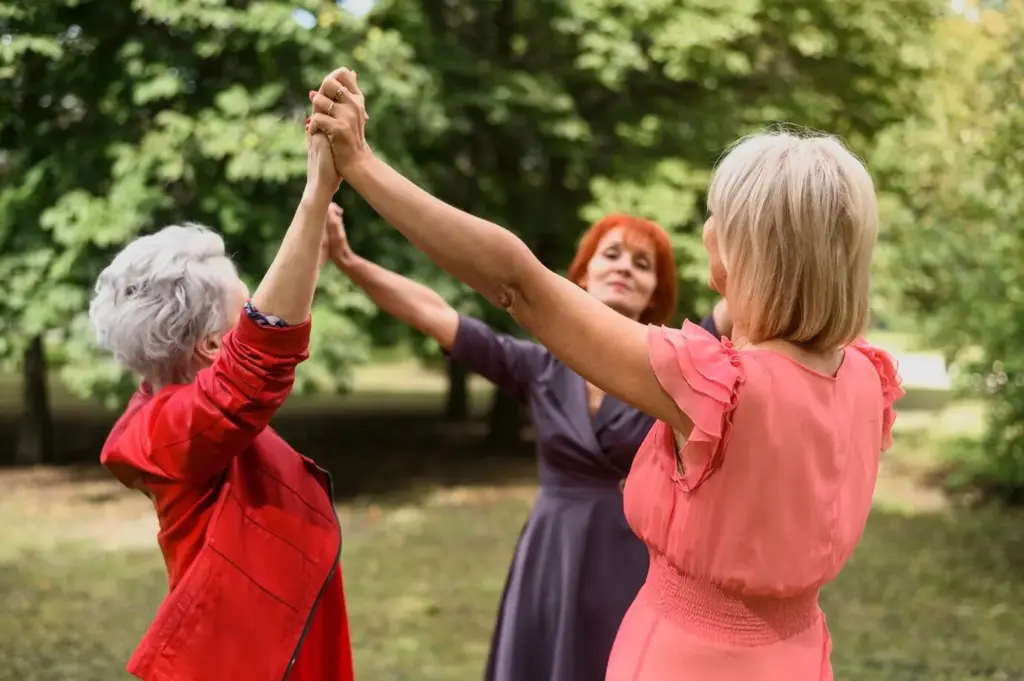
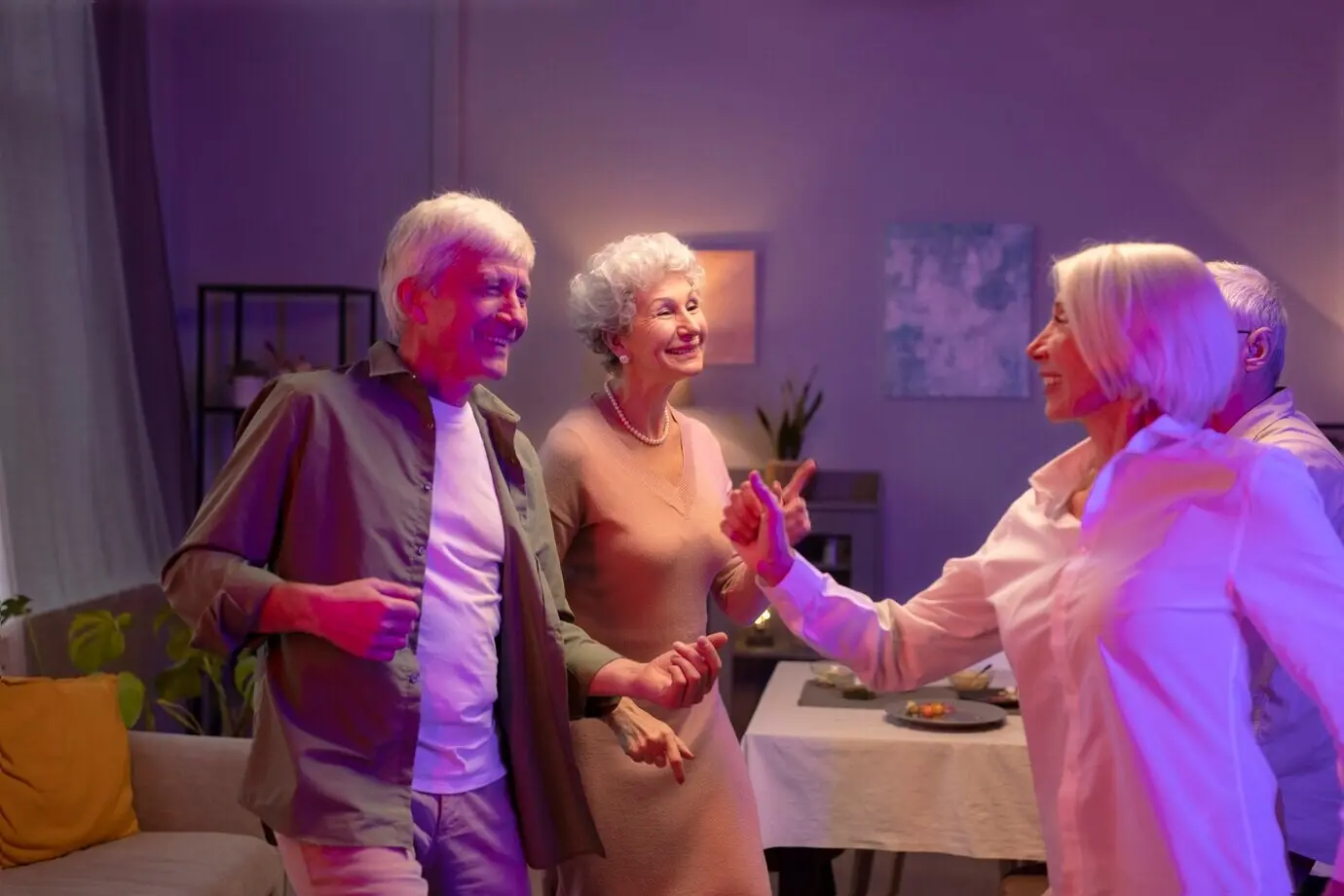
Today we are celebrating Daytime Disco for Seniors, a bright, music filled gathering where confidence, comfort, and laughter move in perfect rhythm. Expect welcoming spaces, familiar hits, and gentle guidance that honor every body. Join us to discover how sunlight, safe choreography, and friendship can transform an ordinary afternoon into a sparkling celebration of movement, memory, and community.

Gentle Warm Ups that Spark Energy

Begin with slow neck rolls, shoulder circles, and easy ankle mobilizers, using the chair as a steady friend when needed. Introduce breath led pacing to reduce anxiety and invite calm focus. A few minutes of seated groove taps awaken circulation without fatigue. A friendly countdown and cheerful music cue help people feel oriented, supported, and ready to progress into light, enjoyable patterns that build confidence step by step.

Footwear, Floors, and Fall Smart Spaces

Non slip soles, smooth and uncluttered flooring, and highly visible tape markers create a safe dance zone. Remove throw rugs and cords, and place chairs around the perimeter for quick rests. Ensure canes and walkers have dedicated parking spots within arm’s reach. Good ventilation and a clear path to water stations reduce discomfort, while thoughtful signage lowers stress and keeps everyone moving comfortably without fear of tripping or crowding.

Hydration, Sunlight, and Sensory Balance
Provide water infused with lemon or cucumber and schedule gentle breaks before thirst builds. Daylight supports alertness, but diffuse harsh glare with curtains to reduce eye strain. Keep volume conversational and avoid shrill frequencies that overwhelm hearing aids. Offer scent free zones for sensitive participants. This thoughtful blend of comfort and sensory awareness helps people stay present, energized, and eager to return for more uplifting, midday dancing together.

The Tempo Sweet Spot

Keep most selections between roughly ninety six and one hundred eighteen beats per minute to invite natural sway and step touches. This range supports gentle cardio without pushing fatigue. Use a perceived exertion check in to ensure conversation remains easy. When energy rises, add brief upbeat peaks, then return to comfortable cruising tempos. Participants feel successful, safe, and surprisingly energized as pulse and smiles align with the steady, friendly groove.

Nostalgia with Dignity

Choose songs that respect life experience and celebrate personal taste rather than stereotypes. Disco classics, glittering soul, and familiar melodies from youthful decades land best when presented with warmth and context. Invite stories about first concerts, favorite dance halls, or stylish outfits from back in the day. These recollections transform the room, making the music feel new again while honoring memories that shape identity, belonging, and joyful confidence on the dance floor.

Live Requests and Memory Sparks

Keep a simple request notebook near the DJ table, and read selections aloud with names to personalize the moment. When someone hears their pick, faces light up and steps grow surer. Encourage brief anecdotes about why a song matters. Those stories guide future playlists and help newcomers feel seen. Together, the group builds a living soundtrack that nurtures connection, invites participation, and keeps the daytime celebration vibrantly responsive to every heart.

Moves for Every Body

Create choreography families with seated and standing options that flow naturally between comfort levels. Clear cueing, repeated patterns, and simple direction changes reduce cognitive load. Incorporate expressive upper body gestures so participants using walkers or wheelchairs can shine. Offer partner variations for caregivers and friends. Respect pain signals, celebrate small efforts, and end each sequence with an applause moment. The goal is confidence, safety, and joy in every motion.

Seated Grooves with Style

Design upbeat chair based sequences featuring rainbow arms, rib cage slides, heel taps, and playful claps. Add scarf flourishes to elevate expression without adding strain. Encourage eye contact and synchronized clapping to build community rhythm. Provide options to reduce or increase range of motion. By centering artistry over athleticism, seated participants feel seen, stylish, and fully part of the shared sparkle that makes daytime dance irresistibly welcoming and wonderfully accessible.

Standing Routines and Assistive Partners

For those standing with or without mobility aids, integrate two step patterns, grapevine halves, and gentle quarter turns. Demonstrate how walkers can roll and pause safely between steps. Encourage micro weights shifts to protect balance and knees. Care partners can mirror from the side, keeping hands free. With short phrases and musical repeats, dancers memorize quickly, feel successful, and enjoy the confident thrill of moving safely through space together.

Cueing that Reduces Anxiety

Use simple, rhythmic language like step touch right, step touch left, then big arms up to preview changes. Count down transitions clearly and always demo the next move before it arrives. Maintain cheerful eye contact and layered options so nobody feels pressured. Reassure the room that stillness is participation too. This predictable, friendly coaching style transforms uncertainty into trust, making daytime dance sessions feel brave, manageable, and genuinely exciting for everyone.

Community, Joy, and Wellbeing

Beyond the music, the magic is people. Midday gatherings reduce evening travel concerns and align with medication schedules. Friendly rituals like name circles, birthday shout outs, and shared photos foster belonging. Movement lifts mood, while daylight supports alertness. Gentle cardio invites better sleep at night. Week by week, the room becomes a supportive neighborhood where laughter, kindness, and rhythm help ease loneliness and strengthen emotional resilience in practical, heartfelt ways.

Room Setup and Accessibility

Arrange chairs in friendly arcs facing the instructor, leaving wide aisles for mobility aids. Tape vivid boundary lines, place non slip mats where needed, and label coat and cane stations. Keep exits unobstructed and post restroom arrows clearly. Offer large print schedules. Test pathways with a wheelchair to confirm turning radii. This meticulous setup quietly communicates respect, enabling participants to relax and focus on the joy of moving together.

Sound that Hugs, Not Hurts

Position speakers at ear friendly height and angle them to distribute sound evenly without blasting the front row. Start lower than you think and adjust gradually. Avoid harsh treble spikes that challenge hearing aids. Provide a loop system or captions for announcements when possible. Maintain a playlist with smooth transitions to minimize sudden jumps. When audio feels gentle and clear, confidence rises, conversation flows, and the groove feels like a welcoming embrace.

Transport, Timing, and Care Coordination

Plan start times after morning routines but before afternoon fatigue. Share door to door transit options and coordinate with community shuttles. Offer a quiet arrival zone for orientation and medication timing. Communicate with caregivers about pacing, hydration, and any special considerations. Follow up with friendly reminders after sessions. By aligning practical needs with joyous movement, you create dependable momentum that helps participants return consistently, building health, friendships, and bright midday rituals.

Stories, Wins, and Little Miracles

Real moments make the floor shine. Short, consistent sessions lead to longer smiles, deeper breaths, and friendships that continue in the hallway. One person discovers a new favorite song, another gains confidence turning safely with a walker. Celebrate every step, from the shy first clap to the triumphant last pose. These victories invite others to join, proving that meaningful change often begins with a single, sunlit dance.
Tofikenutinaxamoneriva
Privacy Overview

This website uses cookies so that we can provide you with the best user experience possible. Cookie information is stored in your browser and performs functions such as recognising you when you return to our website and helping our team to understand which sections of the website you find most interesting and useful.