Move at Noon, Thrive All Afternoon
Today we dive into the health and wellness benefits of midday dance parties for older adults, celebrating how a simple, social burst of movement can elevate energy, sharpen balance, brighten mood, and build community. Expect practical tips, inspiring stories, and research-grounded insights you can use immediately—plus encouragement to subscribe, share your experiences, and help a friend discover a safe, joyful path to feeling stronger and more connected right where they live.
Harnessing Circadian Energy
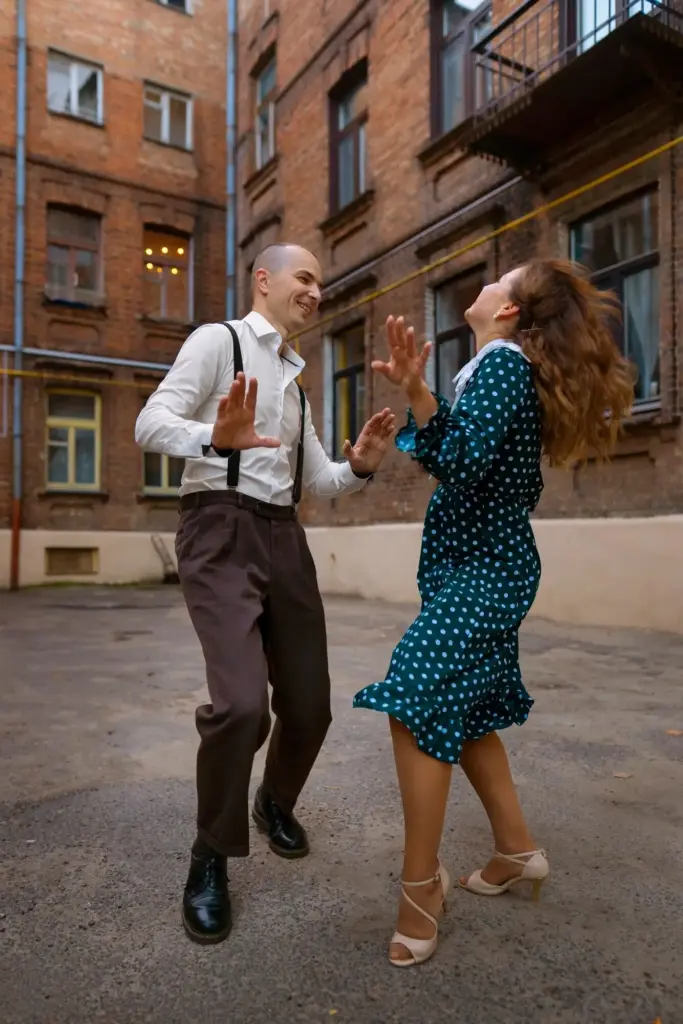
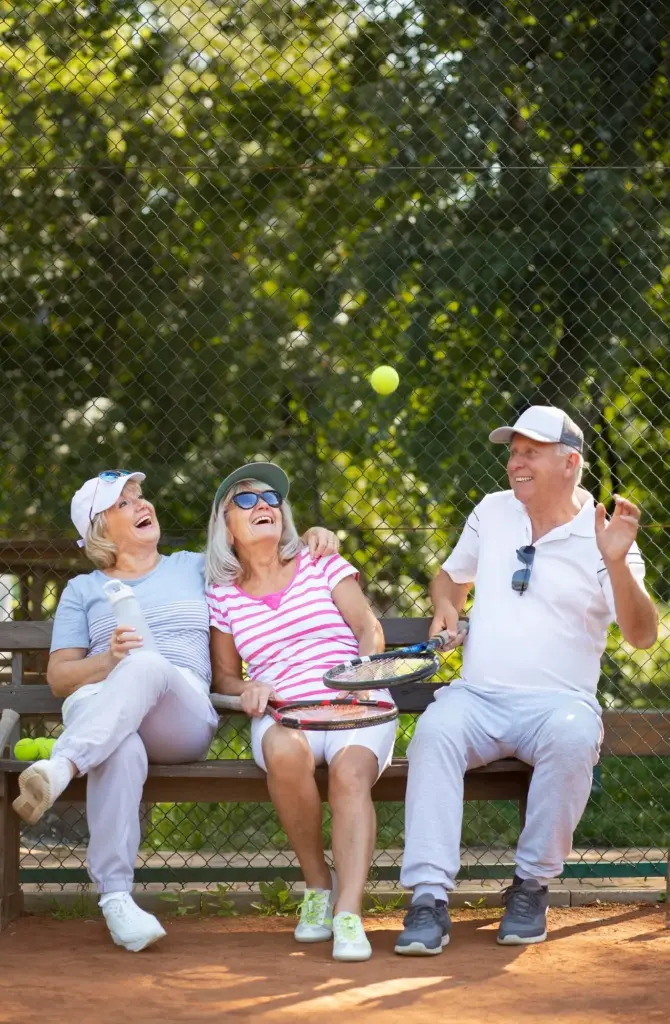
When core body temperature climbs toward midday, muscles warm, joints loosen, and reaction time improves. Dancing during this window leverages that natural readiness, making steps feel smoother and balance more responsive. Participants frequently report fewer stumbles, less stiffness, and more courage to try turning or directional changes. Over time, these small wins build a dependable pattern: show up, move with the music, and leave with a brighter mind, more mobile hips and ankles, and a renewed sense of capability.
Sunlight, Safety, and Social Ease
Bright daylight reduces trip hazards, improves visibility for reading signs, and makes crossing streets or entering buildings less stressful. Public transportation and ride services often run more consistently midday, and family members may find it easier to accompany participants. Inside the venue, natural light lifts mood and helps orientation. The entire experience—from arriving with confidence to leaving energized—feels smoother. This predictability can be the difference between skipping movement and embracing an activity that becomes a cherished anchor.
Caregiver-Friendly Scheduling
Midday sessions can align beautifully with respite windows, visiting nurse schedules, and adult day program hours, lowering stress for families and caregivers. A reliable, cheerful activity during this time gives care partners a meaningful break and participants a dignified routine to anticipate. Everyone benefits when support systems feel sustainable. Communities that host midday dance options often report improved attendance, better follow-through with other health appointments, and a surprising ripple of goodwill as caregivers connect and share solutions informally.
Stronger Bodies Through Joyful Motion
Dancing blends cardio, strength, balance, and flexibility without the intimidation of gym machines or rigid drills. Rhythmic stepping, coordinated arm patterns, and gentle turns challenge stabilizing muscles that protect ankles, knees, and hips. Weight shifts stimulate bone, while varied tempos train endurance. Because music distracts from effort, participants often work harder than they realize—yet leave smiling. Over weeks, many notice easier stair climbing, steadier gait, improved posture, and fewer aches. The best part: the workout hides inside the fun.
Brighter Minds, Lighter Moods
Music ignites memory, movement feeds neuroplasticity, and shared laughter reduces stress hormones. Dancing blends dual-tasking—thinking while moving—with pattern recognition and timing, stimulating brain networks linked to attention and executive function. Meanwhile, rhythmic play releases endorphins and dopamine, lifting mood and motivation. Many participants describe clearer thinking, easier word-finding, and deeper sleep after consistent sessions. For those facing mild cognitive changes, familiar songs and predictable routines provide grounding, while novelty, safely introduced, keeps the mind pleasantly challenged.
Community That Feels Like Family
Belonging Begins With a Beat
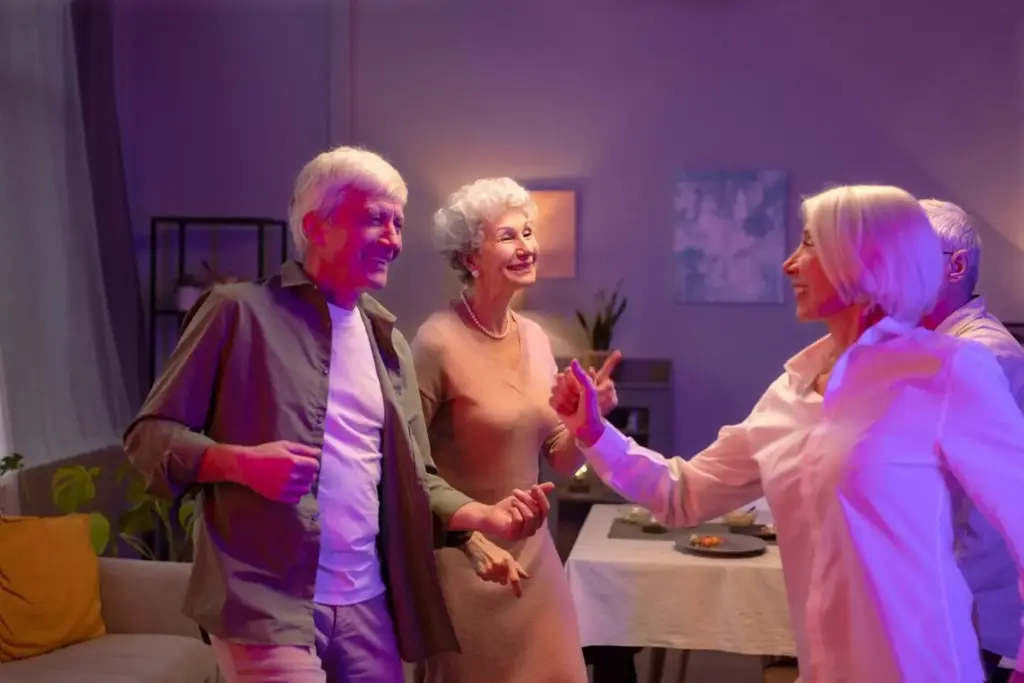
Synchronized movement naturally nudges people into rapport, a phenomenon researchers call interpersonal entrainment. When feet land together and hands rise on the same count, strangers feel less strange. Smiles spread, posture opens, and conversation flows more easily. For older adults, this effortless bonding counteracts isolation without forced icebreakers. The room itself carries the connection, one chorus at a time. The music becomes a safe bridge, guiding people from cautious hellos to genuine, supportive friendships that sustain health.
Inclusive Spaces and Adaptive Options
Comfortable chairs with arms, non-slip floors, clear signage, and moderated volume create a welcoming environment for diverse abilities. Instructors can offer seated, supported, or standing variations for each sequence, inviting walkers and wheelchairs into the same joyful set. Visual cueing, larger gestures, and predictable patterns increase accessibility for hearing or cognitive differences. When the room says yes to every body, attendance grows, confidence blooms, and progress accelerates naturally because people feel safe enough to try, learn, and return.
Stories From the Floor
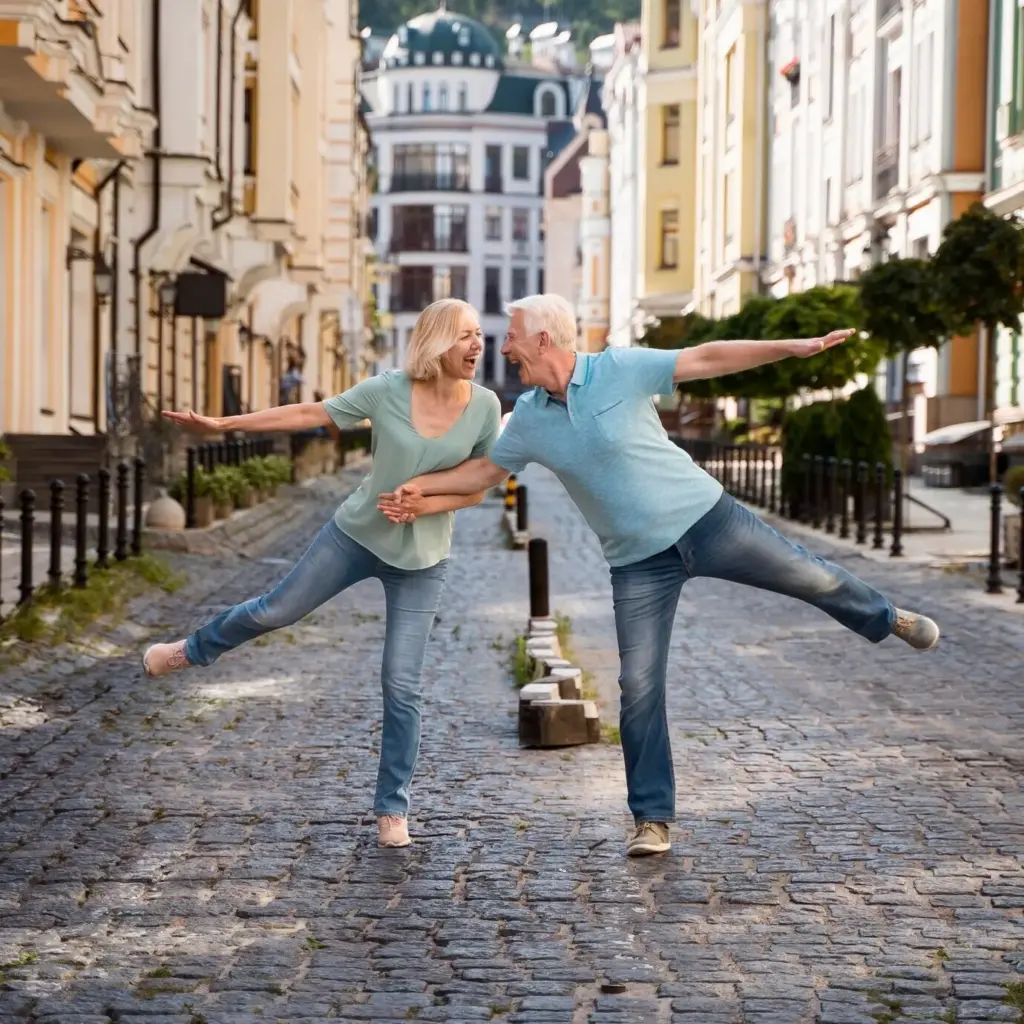
Eleanor, seventy-eight, came to her first class gripping a cane and a list of worries. Three months later, she laughed about forgetting it in the coatroom because her stride felt steady. She still used it outdoors, but inside she marched proudly without support. Her favorite moment? Teaching her granddaughter a simple swing step at a family picnic. That memory, she said, tasted like freedom and reminded her that strength often returns disguised as music and friends.

Safety, Accessibility, and Confidence
Safety is a scaffold for freedom. With thoughtful preparation—screening questions, clear warm-ups, hydration breaks, and pacing that respects varied energy—participants can explore movement bravely. Good footwear, smooth floors, and clutter-free pathways protect ankles and hips. Music volume, ventilation, and lighting support comfort and orientation. Most importantly, options at every moment let people choose seated, supported, or standing steps without stigma. When risk is managed with warmth, confidence rises, and confidence unlocks the beautiful effort that builds health.
Start Your Own Midday Dance Tradition
Plan, Promote, and Invite
Partner with senior centers, libraries, faith communities, and clinics to spread the word. Create friendly flyers that emphasize fun, inclusivity, and safety. Ask physicians and physical therapists for referrals. Offer a first-timer buddy system and share short video clips to demystify the experience. Most importantly, extend personal invitations. People return where they feel genuinely welcomed, not judged. Track attendance trends and adjust timing as needed, keeping midday as the anchor that supports energy and consistency.
Music and Flow That Keep People Smiling
Blend tempos around 100–120 BPM for steady stepping, sprinkling in slower tracks for breath and faster choruses for excitement. Rotate genres—motown, classic rock, Latin, swing, and contemporary favorites—to honor diverse tastes. Structure class flow with clear sections: warm-up, simple sequences, playful combos, and a celebratory finale. Repeatable patterns make learning easier, while one fresh twist each week keeps curiosity alive. Above all, let the music lead joyfully, guiding effort without pressure or perfectionism.
Measure Progress and Celebrate Wins
Use simple checks like the Timed Up and Go, a 30-second chair stand, or a mood scale before and after class to notice changes. Celebrate attendance streaks, first full songs danced, and personal breakthroughs like releasing a hand from the chair. Share short success notes in newsletters to inspire others. Progress that is visible and named becomes fuel for consistency. Encourage comments, song requests, and stories, turning every small victory into community motivation that lasts.
All Rights Reserved.